
Giving Michigan agriculture a voice
Michigan Farm Bureau members and policy staff work year-round to bring grassroots policies to life. Here’s a look at some of our recent successes:
Farmland Preservation
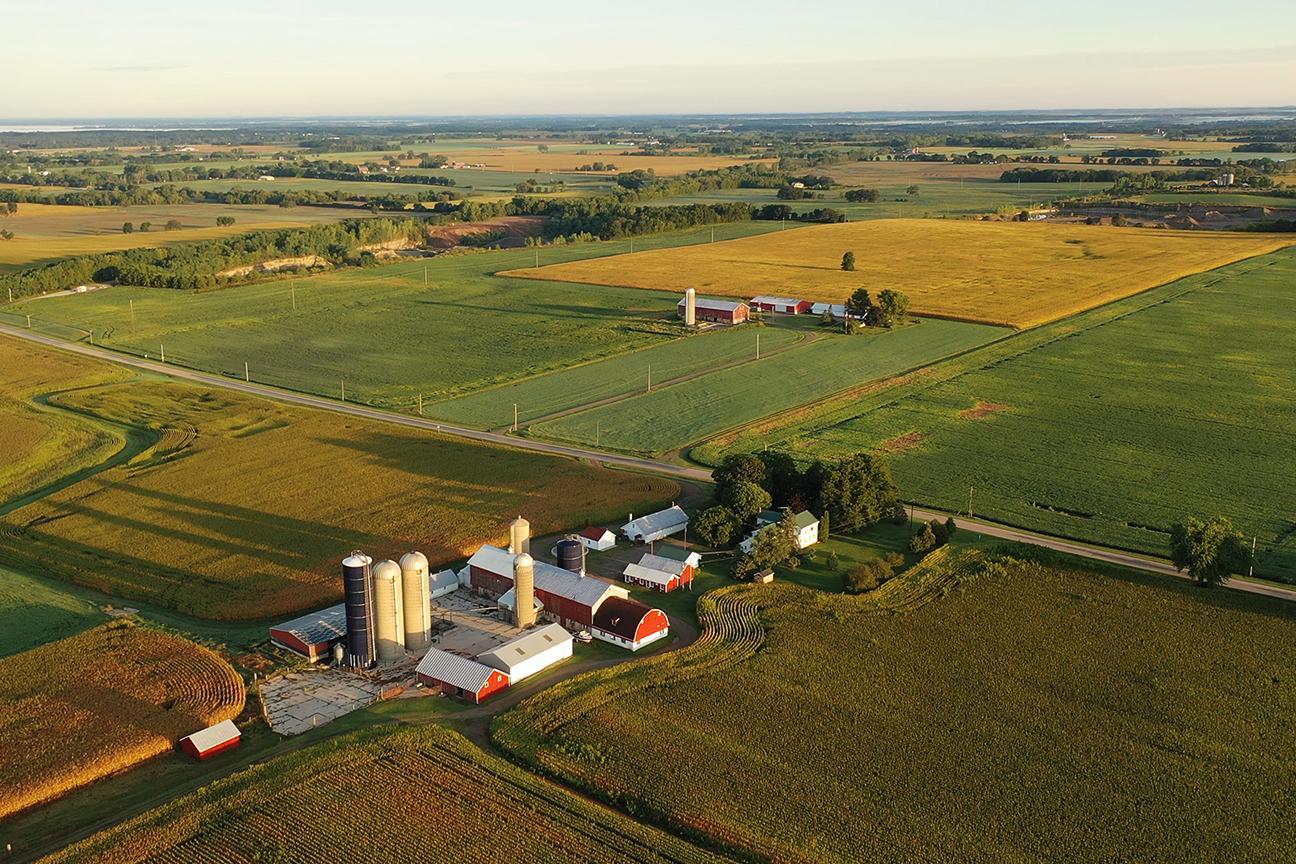
The organization supported a bipartisan legislative package that resolved long-standing ambiguities affecting landowners enrolled in both the state’s Farmland and Open Space Preservation Program (PA 116) and permanent conservation easements. The reforms provide clarity and certainty for farm families, ensuring preservation tools work as intended while protecting farmland for future generations.
Opportunities for small-scale and value-added producers
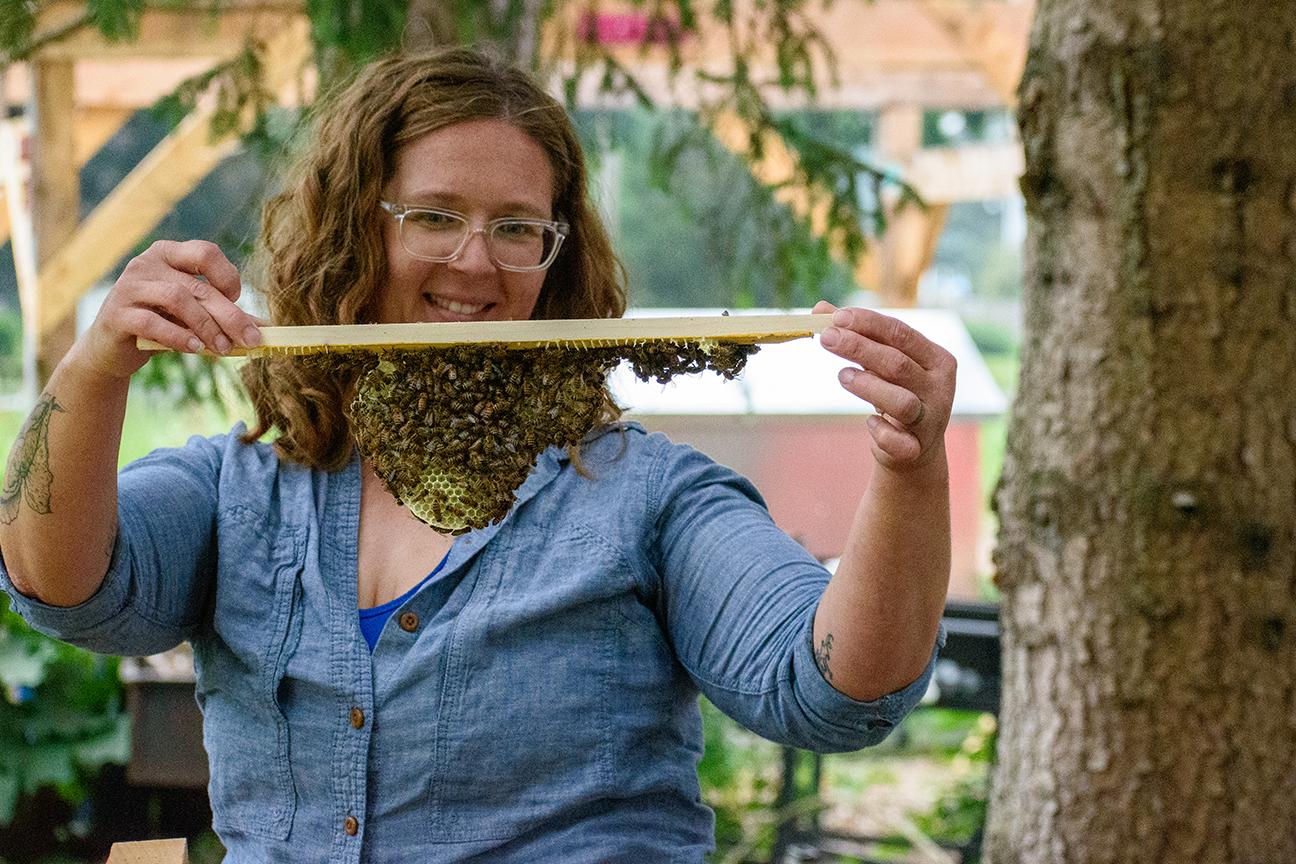
Farm Bureau-supported legislation delivered long-awaited updates for small-scale and value-added producers, reducing unnecessary regulatory burdens while expanding market opportunities. New laws created parity for honey and maple syrup producers, allowing them to operate under limits comparable to the cottage food law without requiring a licensed commercial kitchen. Updates also expanded sales opportunities for cottage food producers by increasing the gross sales cap from $20,000 to $50,000 and modernizing how products can be marketed and sold — changes shaped directly by input from members.

Regulatory Clarity
Farm Bureau celebrated a favorable U.S. Supreme Court decision on the Waters of the United States rule, which narrowed federal jurisdiction and reduced regulatory uncertainty for farmers and ranchers, while continuing to press for clear, science-based rules.

Retaining Beneficial Tax Provisions
Farm Bureau helped secure renewal of key federal tax provisions that protect farm families from potential tax increases and preserve the estate tax exemption that aids farm succession.
EGLE Permitting Reforms
The 2025-26 state budget included new boilerplate language supported by Farm Bureau to reform the Department of Environment, Great Lakes, and Energy’s permitting process — promoting greater transparency, accountability, and clearer guidance. The changes require the agency to develop stakeholder-informed permitting guidebooks and publish a report outlining the number of permits issued beyond statutory timelines.
Continued Support for MAEAP
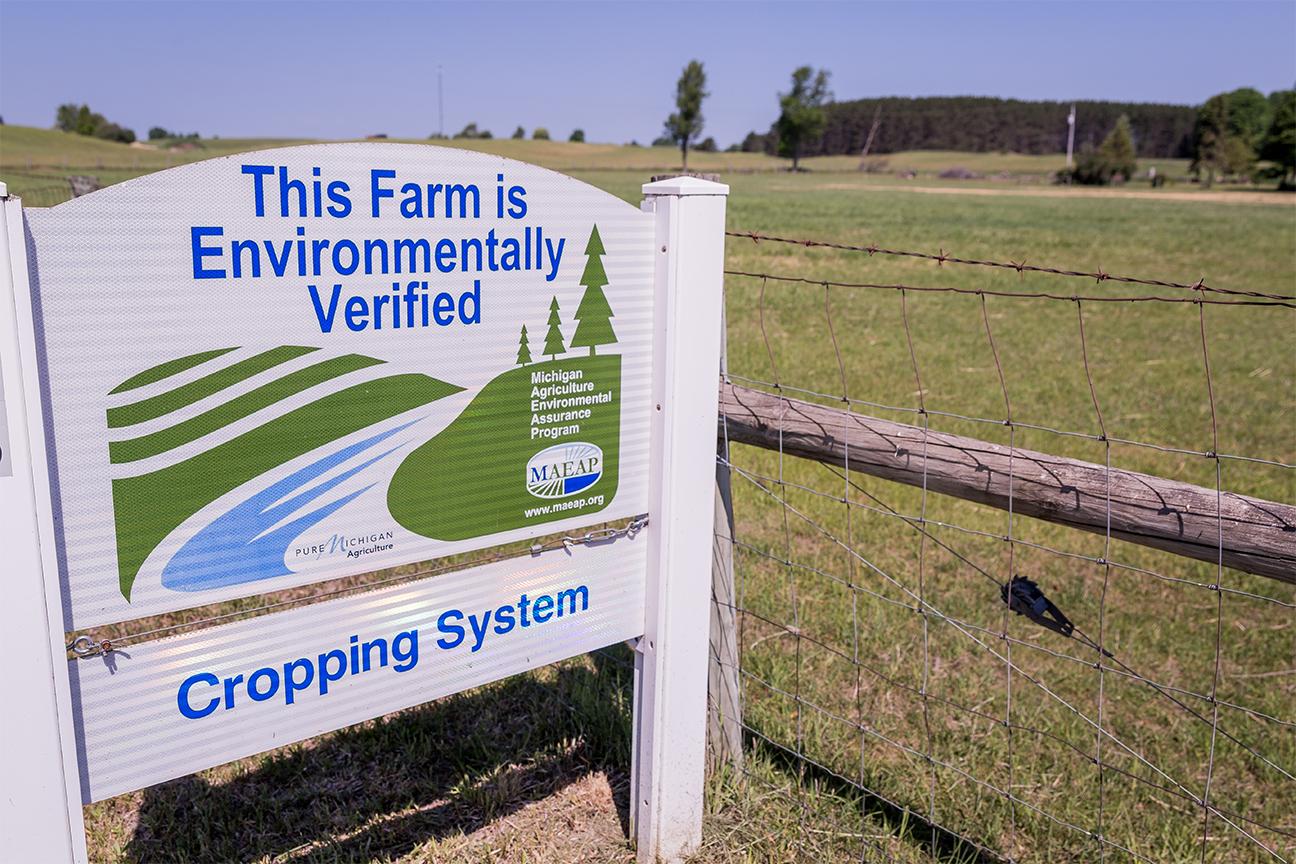
Legislation supported by Farm Bureau and signed into law reauthorized the funding mechanism for the Michigan Agriculture Environmental Assurance Program through 2029. The bill renews existing fertilizer and pesticide fees paid by farms and agribusinesses — without any increase — to support the voluntary, statewide program that has helped farms of all sizes and commodities prevent or reduce pollution risks for nearly 30 years.
Securing Agriculture Funding
Farm Bureau supported a state budget that delivered:
- 2% funding increase for MSU Extension and AgBioResearch
- $1.5 million for the Michigan Alliance for Animal Agriculture
- $1 million for agricultural climate resiliency programs
- $11.2 million for animal disease prevention and response efforts
- $3 million to support Conservation Districts
- $4 million for the Double Up Food Bucks program
- $3 million to continue the Farm to Family program
- $7.8 million for the Qualified Forest Program
Ahead of the budget’s approval, nearly 870 members and supporters sent more than 1,720 messages to state lawmakers, urging passage of a budget that protected critical agriculture programs and avoided putting farm families and consumers at risk.

Strengthening Advocacy and Engagement
County Farm Bureau members played a vital role in shaping agricultural policy through direct advocacy, candidate support, and local engagement. Key efforts included:
- Policy Development: Over 500 policy recommendations were submitted by 59 county Farm Bureaus to support farms, families, and communities.
- State & National Advocacy: More than 300 members engaged with state lawmakers in Lansing, while over 100 advocated in Washington, D.C.
- Elections & Endorsements: 368 members served on candidate evaluation committees, helping AgriPac-endorsed candidates achieve nearly 90% success in the November 2024 elections.
- Local Engagement: Members built relationships with decision-makers and, with support from 176 public policy committee members, coordinated farm tours, meetings, and outreach to advance member-driven policies.

Advocating for Agricultural Workforce Reform
Farm Bureau advocacy helped secure adjustments to the Adverse Effect Wage Rate for H-2A agricultural workers, providing an estimated $2.5 billion in annual relief for farmers facing rapid wage increases and helping farms maintain a legal seasonal workforce while long-term reform continues to be a priority.
Fighting to Protect Livestock Farms
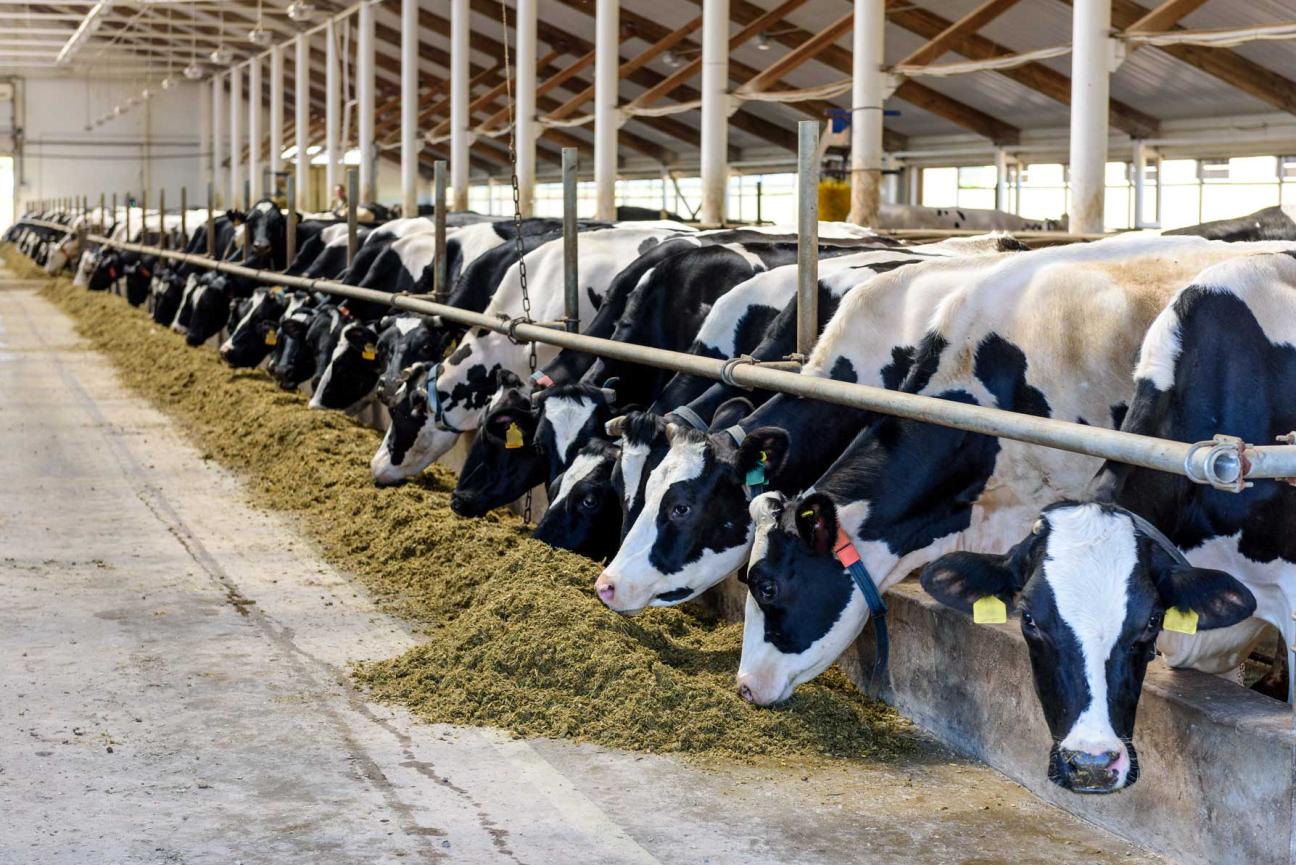
Farm Bureau, partnering organizations, and farmers are fighting to keep in place a judicial opinion that helps large livestock farms stay in business while protecting water quality.

Pushing for a Modernized Farm Bill
While Congress has not completed a full five-year farm bill, Farm Bureau supported federal action that delivered a significant investment — nearly $70 billion — to modernize farm safety net tools, including risk management programs that are essential to farm business stability.

Defending Agriculture
Throughout the 2023-24 legislative session, Michigan Farm Bureau actively opposed more than 50 bills that threatened the agricultural sector. Thanks to dedicated advocacy, these bills either failed to advance beyond their respective House or Senate committees or were ultimately abandoned.
Protecting Water Resources and Driving Conservation
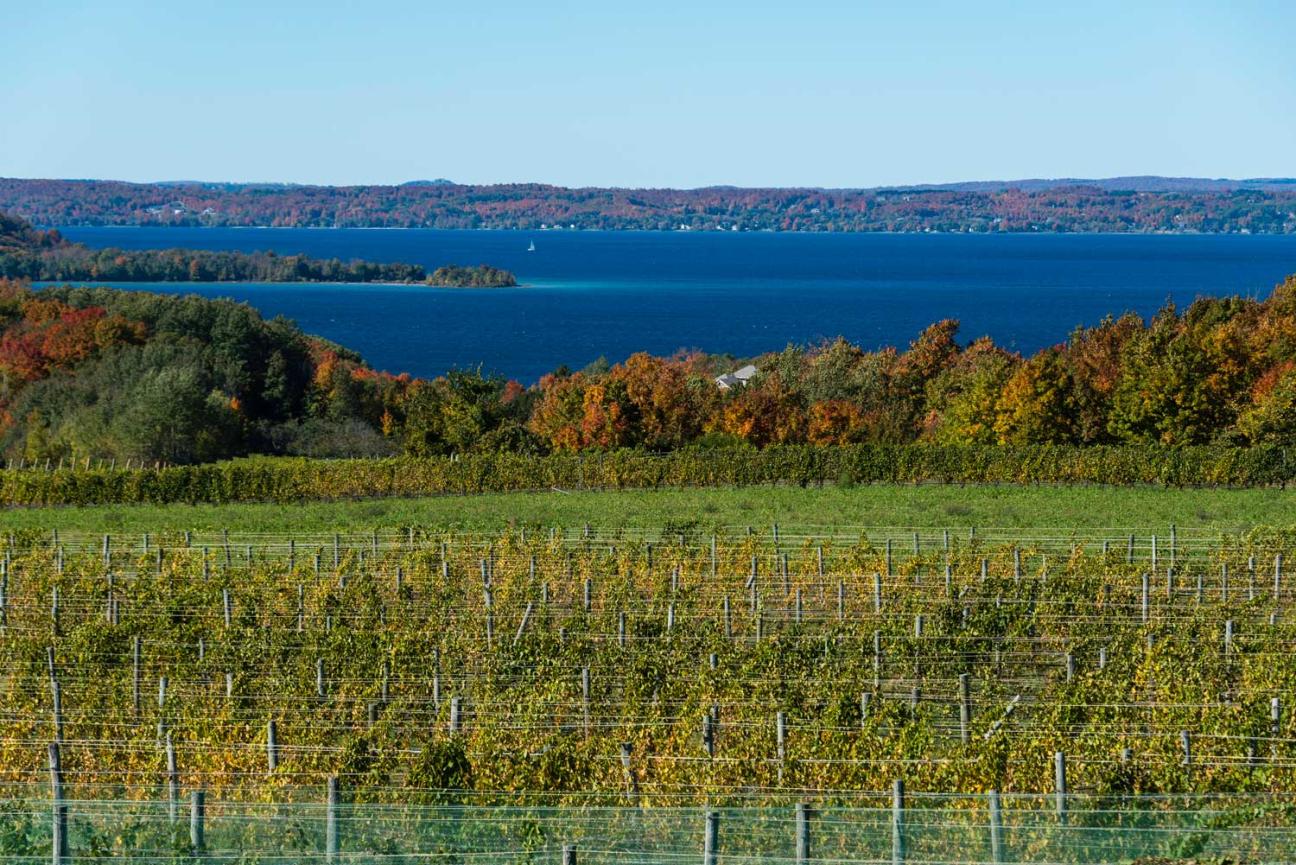
Farm Bureau is committed to science-based, data-driven approaches to conserving water and improving quality, with a focus on the Western Lake Erie Basin, Saginaw Bay Watershed, and beyond. We actively support voluntary conservation programs that help farmers enhance environmental practices, including the Michigan Agriculture Environmental Assurance Program, the Great Lakes Restoration Initiative, Manure Hauler Certification, and 4R Nutrient Stewardship, among others.