Strengthening Michigan communities while improving wildlife management and fighting hunger
Michigan Farm Bureau’s Venison Donation Task Force was created to confront two major challenges facing our state: Michigan’s rising deer population and widespread childhood food insecurity.
Too many families struggle to access healthy, affordable protein, while deer numbers continue to climb — affecting farms, ecosystems, and rural road safety. The Task Force brings together hunters, farmers, processors, and community partners to turn this challenge into an opportunity to feed more Michigan families.
A Statewide Collaboration with Local Power
Through strategic collaboration between the Michigan Farm Bureau Family of Companies, partner organizations, and local communities, the Task Force aims to significantly expand both the volume and impact of venison donations across the state.
The initiative supports counties as they host local collection events, removes financial barriers related to processing, and strengthens partnerships with organizations who have long been leaders in venison donation.
This is not just a donation program — it is a coordinated statewide effort that supports wildlife management and improves food access for Michigan families.
Inspired by Local Innovation
The inspiration for the statewide expansion came from the Kalamazoo County Farm Bureau’s Doe Derby, which in late 2024:
- Turned 71 harvested deer
- into 82 boxes of processed venison
- totaling more than 2,700 pounds of lean protein
- all donated directly to a local food bank.
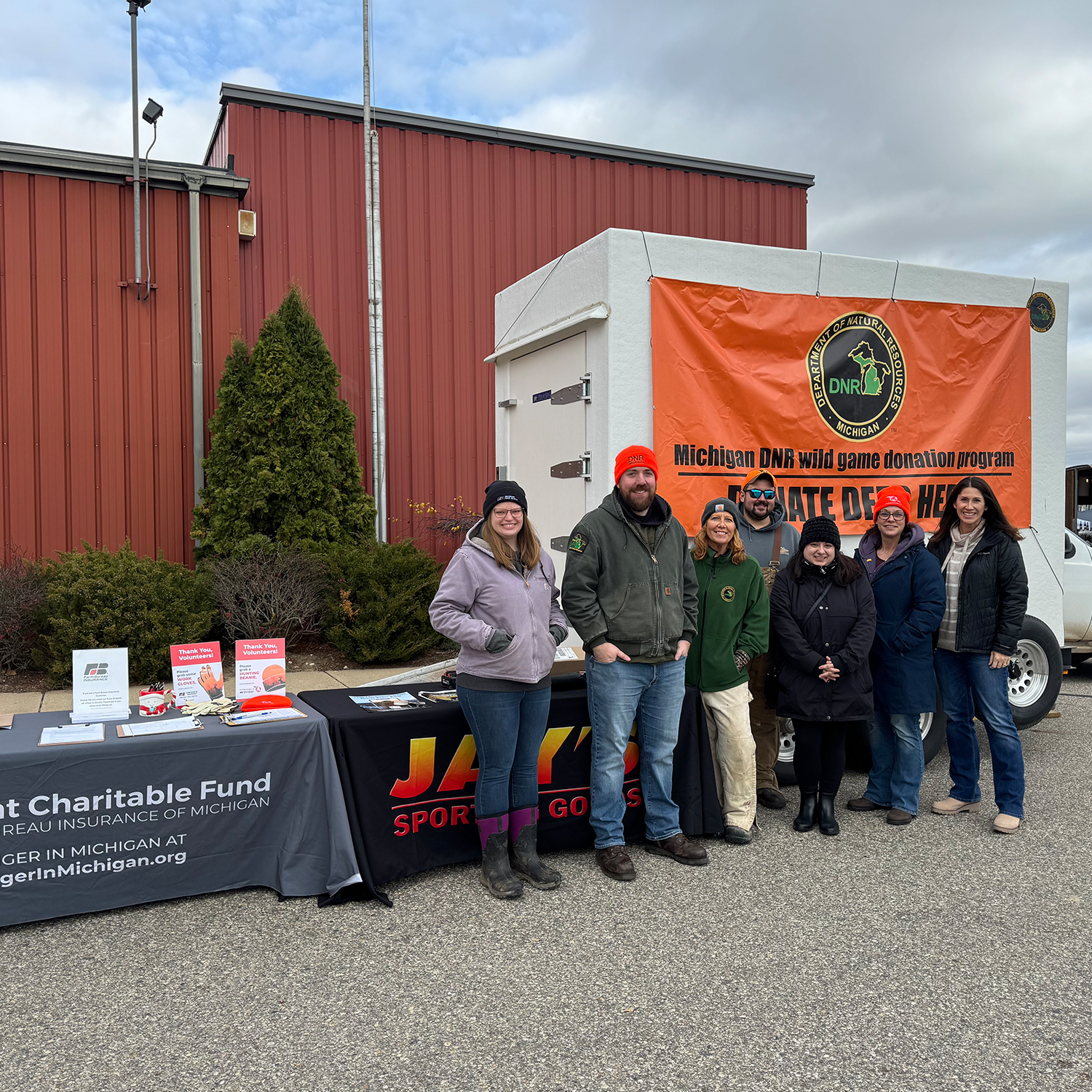
Its impact demonstrated how effective county-level programs can be when farmers, hunters, processors, and volunteers work together. The Doe Derby now serves as a model counties across Michigan can replicate.
Venison Donation Processing Assistance Grant
Michigan's County Farm Bureaus are eligible to receive up to $10,000 in funds to offset the cost of venison processing for animals being donated into the charitable food supply.
Our Impact So Far
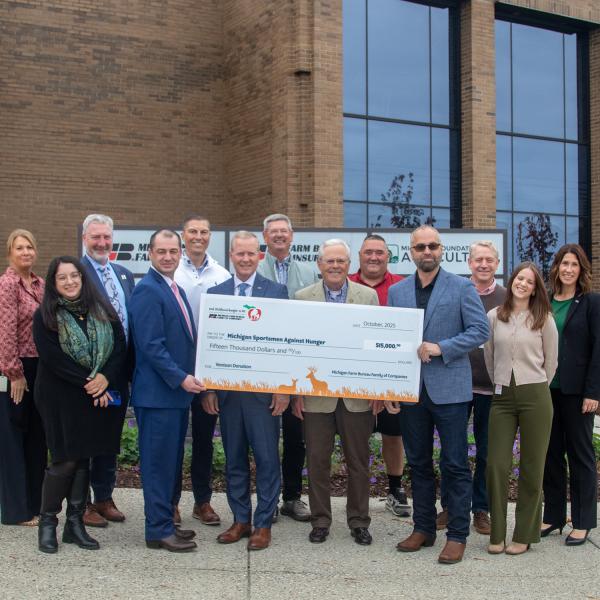
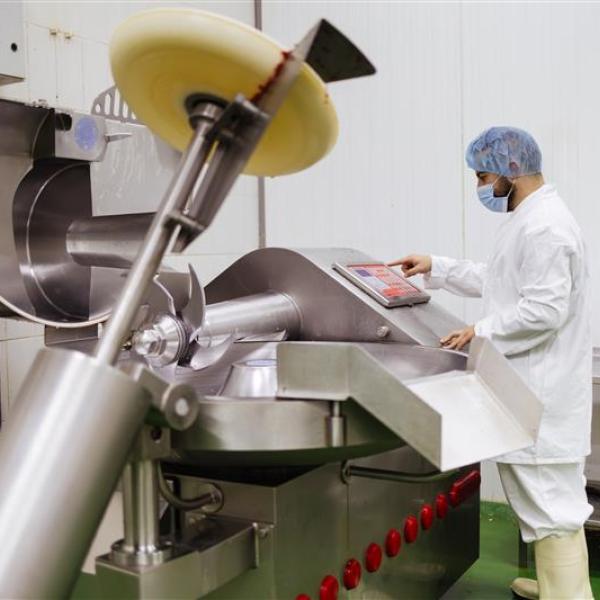
In 2025, the Task Force made its largest donation to date — a $15,000 contribution to Michigan Sportsmen Against Hunger (MSAH) and a $10,000 donation to Hunters Feeding Michigan. This funding helped cover processing fees and increased the amount of deer processed for the charitable food system.
County Farm Bureaus statewide now have access to $140,000 in FY2026 to support local venison donation events happening throughout the year.
Our statewide goal for 2026 is clear: Collect 1,500 donated deer — or roughly 75,000 pounds of healthy, Michigan-grown protein.
Funding Commitments and Strategic Investments
To build long-term capacity and strengthen statewide coordination, the Task Force has made the following funding allocation recommendations:
- Commit $10,000 annually for three years ($30,000 total) to support a three-year research project with Michigan State University focused on data-driven solutions and improved statewide coordination.
- Provide $15,000 in FY2025 to Michigan Sportsmen Against Hunger to support general program operations, expand outreach, and increase processing capacity.
- Provide $10,000 in FY2025 to Hunters Feeding Michigan to support general operations, expand outreach, increase processing capacity, and assist with cooler trailer needs.
- Contract with Hunters Against Hunger to consult with Kalamazoo County Farm Bureau for 12 months (five hours per month). The annual contract fee is $5,000 and supports counties wishing to replicate the Doe Derby model or similar events.
- Utilize $60,000 in FY2025 to fund qualifying venison donation initiatives across Michigan, identified with input from the Task Force.
- Beginning in 2026, this grant opportunity will be publicly available to all county Farm Bureaus.
Staff Contacts:

Audrey Carey