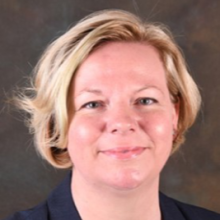

Drive through Remus on M-20 and you might still hear faint wedding bells harmonizing with the purring doves and cherubs fluttering over the barns and pastures just west of town. That’s the heavenly soundtrack to a match made in Farm Bureau, the union of young cattle leaders Drew Bordner and Beth Wernette — now Beth Bordner.
<tinking glass with spoon>
The bride’s family runs a well-established cattle operation there in eastern Mecosta County, where the groom smartly relocated upon their nuptials, leaving behind his own family’s beef farm outside Sturgis in St. Joseph County. That’s not to say his dad — omnipresent cattleman Monte Bordner — is left holding the bag down in St. Jo.
Savvy farmers that they are, father and son last year attended the 2024 Take Root Farm Succession Conference, a daylong program packed with practical, real-world guidance for farm families looking to straighten and smooth the curvy, sometimes rocky road of inter-generational transition.
“The conference had really good information,” reports the younger Bordner. “When you get into a lot of the tax stuff with property changing hands, having somebody explain that is pretty important. And you’re connecting with people, so you know where to go when you have questions.”
Calling the Bordners’ farm-succession case study “typical” would be misleading; there are few norms in the farm-succession landscape; every inter-generational transfer comes with its own unique challenges.
“I’ve got two sisters — one in Grand Rapids, another in Ohio,” Bordner said, and none of the three anticipate bouncing back to Sturgis any time soon. “We’ve laid it all out so the farm gets transferred in a manner that doesn’t lose us bunch of money.
“It’s easier to keep the land you’ve got instead of turning it over, especially if it flows enough cash to cover the taxes, plus a little extra. I think it’ll end up becoming a joint interest between the three of us; we’ll probably end up renting it out.”
The important point is they’ve begun a process farm families can’t start too early.
Also at last year’s Take Root was another father-son pair, Jeramie Ziola and his dad Eugene, who farm together in southern Saginaw County near Chesaning.
“We got a lot out of it,” Jeramie said, “although we walked away feeling a little overwhelmed because there’s just so much we hadn’t thought about.”
Once home they met with their local accountant to put their new lessons in perspective and apply them to Ziola Farms.
“We’re a small operation and all of dad’s land is already in a trust, so some of the information we brought home wasn’t really necessary, but still it’s good to know,” Jeramie said. “The material about tax implications was really helpful.”
Meanwhile, the younger Ziola takes on a little bit more land every year, and he’s equally cautious adding new-to-them equipment to the equation.
“I absolutely recommend Take Root to anyone,” Ziola said, “especially if they’re partly incorporated or have more partners in the operation.”
As Michigan Farm Bureau’s top legal counsel, Andy Kok regularly gets calls from members needing legal resources.
“It’s the estate-planning stories I remember best — unfortunately — because they’re usually the most painful,” Kok said, citing some examples:
- A son who farmed with his parents passed away. He and his wife had separated 10 years prior but never filed for divorce. The widow successfully asserted 50% ownership of the farm.
- After a lifetime investing in their legacy farm, the parents of two feuding sons faced a dilemma: “We gave up everything to build it, and we want our sons to take it over, but they hate each other. How do we keep our farming legacy intact?”
- A son farmed 50 years with his parents. When mom died at 90, she still owned 100% of the place — including the son’s home. To extract her half of its value, his sister forced a full liquidation until “We won’t have a farm left.”
- “Dad died and when we went to settle the estate, most of the farm equipment was missing. There was never an inventory of what he owned.”
“There’s more where that came from,” Kok said. “Some similar, some worse.”
Why do farmers face such issues while so many others don’t?
“The primary reason is that farmers are business owners with legacies. Your friends in town may fight over the family piano or mom’s wedding ring, but the bank account, life insurance and 401(k) are easily split among surviving heirs.
“Farmers I’ve worked with over the years have different estate-planning needs,” Kok said. “They want the land to stay in the family. They want the kids who farm to keep farming — preferably together. And they want the kids who don’t farm to get an inheritance as well. What they don’t want is that one neighbor ever buying the farm!”
Ensuring the desired outcome is possible but takes careful planning and thorough documentation long before anyone meets their maker.
So block next Feb. 10 off your calendar to attend the 2026 Take Root Farm Succession Conference in East Lansing. Registration ($100 per attendee) includes all meals, presentation printouts and a complementary notebook. Click here to register before the Jan. 30 deadline, and contact your county Farm Bureau office to learn if they offer 50% scholarships for Young Farmers to attend.
Share Story
Article Tags